
How Do Porta Potties Work?
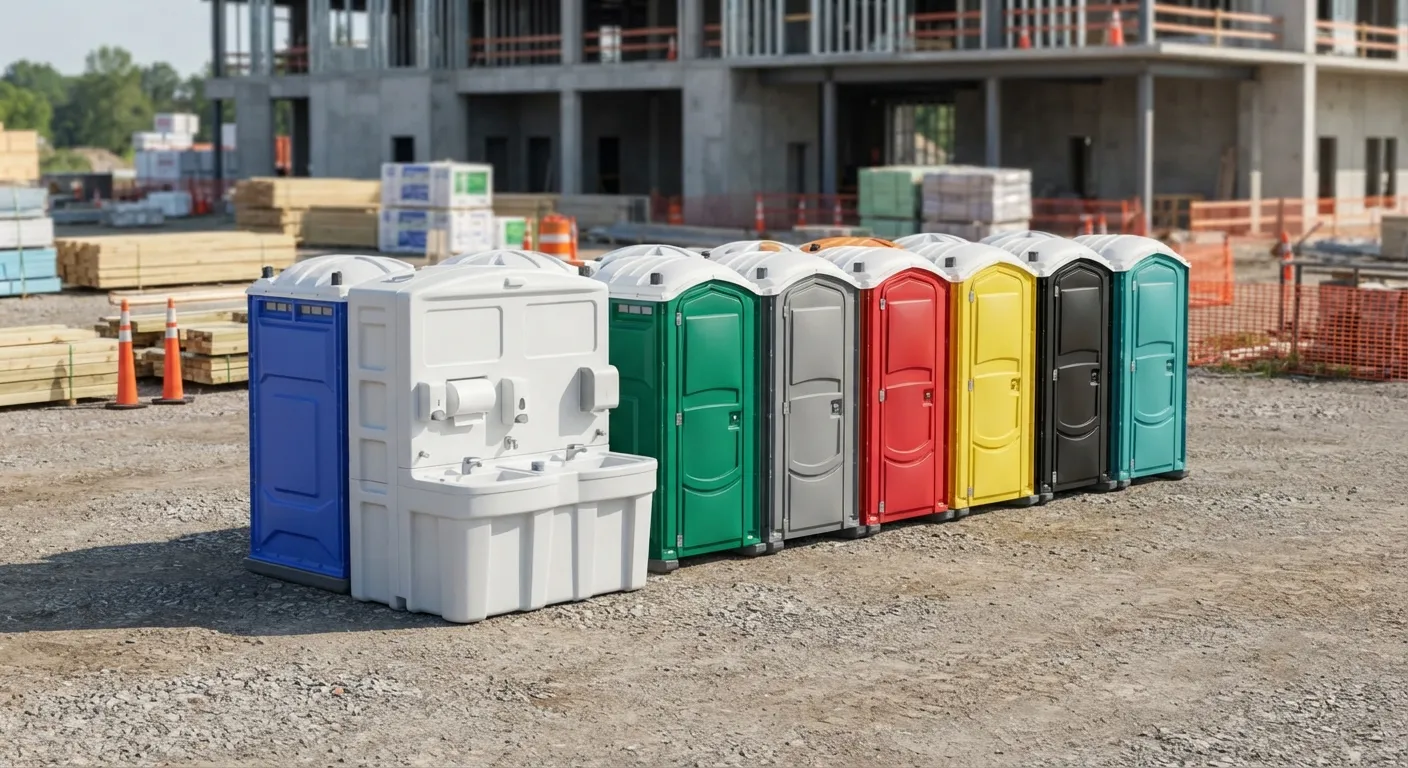
A standard unit is a self-contained box: seat, tank, and a vent stack for air. Nothing hooks up to a sewer line or a water source. Waste and toilet paper drop straight into the 60 to 70 gallon holding tank underneath, where blue chemical treatment breaks it down and locks in odor between services. The unit itself measures about 44 by 48 inches on the ground and stands close to 92 inches tall, which is why it fits into tight jobsite corners without eating much space. On a construction site, a worker walks over, uses the unit, and walks back to the task. No line if the count is right. That count matters: OSHA portable toilet requirements call for 1 toilet per 20 workers under OSHA 1926.51(c), scaling up as crew size grows. Salem contractors sizing a job should check how many porta potties do I need before ordering. For pricing on a single unit, see porta potty rental cost or porta potty rental per day.
How Do Flushable Porta Potties Work?
A deluxe flushable unit adds a small onboard freshwater tank and a foot pump or flush handle, so waste rinses down instead of sitting exposed. The holding tank underneath still catches everything, just like a standard unit, but the flush cycle keeps the bowl cleaner between services. These units suit weddings, corporate events, and anywhere in Salem where guests expect something closer to a real bathroom. Check the deluxe flushable porta potty page for specs, and compare against a basic standard porta potty rental if budget matters more than flush action. Some deluxe models add a sink too, working much like portable sink rental units: a foot pump draws water from a fresh tank, pushes it through a spigot, and sends greywater to a separate holding tank below. No pressure line, no drain hookup. For weekend events, a flushable unit runs in the mid-range compared to a standard unit rental, and either can be paired with an ADA accessible porta potty unit built to ADA Standards section 213.2, which requires at least one accessible unit in any cluster.
How Do Camping Porta Potties Work?
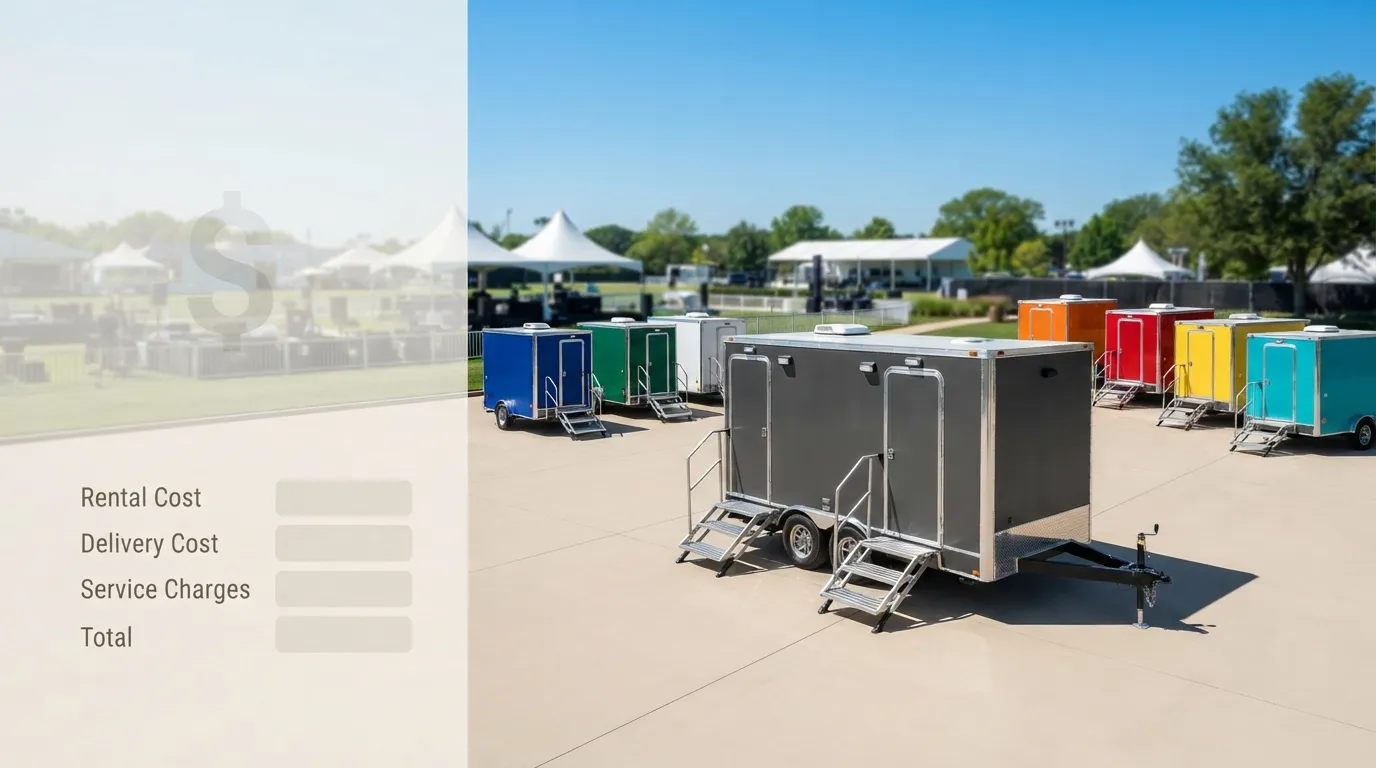
Camping units work the same way as jobsite units: sealed tank, chemical treatment, no water hookup needed. The difference is placement and service interval. A campground or remote site might only need a camping porta potty serviced once during a multi-day event rather than daily, depending on headcount. ANSI/PSAI Z4.3 sets a baseline service interval of once per week for up to 10 users over a 40 hour stretch, which gives a rough guide for how long a tank lasts before it needs pumping. For a weekend camping trip near Salem, a single standard unit often covers a small group without a mid-event service call. Larger gatherings, like a festival restroom rental or county fair restrooms setup, need more units and tighter service rotation. If the event runs multiple days, ask about a porta potty rental checklist to plan delivery, placement, and pickup around the site.
What Chemicals Go Into Portable Toilet Tanks?
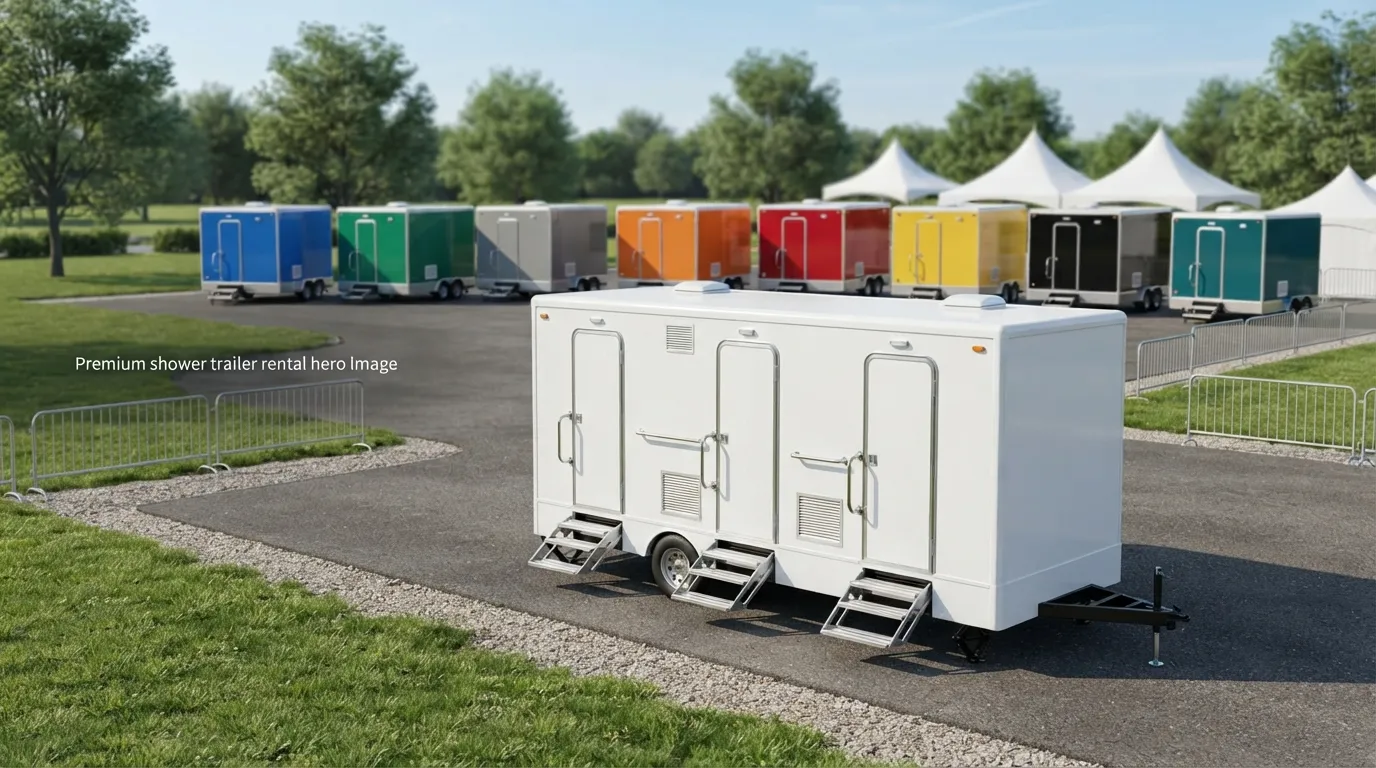
Portable toilet chemicals near me searches usually turn up the same answer everywhere: a blue deodorizing and digestant fluid, mixed into the tank at delivery. It breaks down solid waste and toilet paper while masking odor between pump-outs, and Salem Porta Pros adds it fresh with every service visit. This is different from septic tank cleaning chemicals used in a home septic system, which target bacterial balance inside a buried tank rather than a portable holding tank. A residential septic tank typically gets pumped every 3 to 5 years depending on tank size and household size, a much longer cycle than a rented unit's weekly service. If a Salem property needs that kind of work, septic pumping service and septic tank cleaning cover the actual pump-out, and septic tank warning signs explains when to call before a backup happens. Grease interceptors run on a different rule entirely: pumped once fats, oils, grease and solids reach 25 percent of liquid depth, covered under grease trap pumping.
Rental Duration and Pricing
| Unit | Day | Week | Month |
|---|---|---|---|
| Standard | $100 - $350 | $130 - $500 | $125 - $325 |
| ADA accessible | $200 - $400 | $240 - $400 | -- |
| Deluxe flushable | $85 - $1200 | $150 - $290 | -- |
Longer jobs usually make sense as a monthly porta potty rental rather than repeated day rates. Delivery to a Salem site or nearby towns like Four Corners, 3.4 miles east, or Keizer, 6.7 miles north, typically adds a separate delivery fee on top of the unit price.
Does a porta potty need water hookup?
No. A standard unit runs entirely without water or sewer connection, using a sealed holding tank and chemical treatment instead. That is what makes it deployable almost anywhere, from a Salem backyard renovation to a remote jobsite with no utilities nearby.
How often do porta potties get serviced?
Weekly service is the common baseline under ANSI/PSAI Z4.3, covering up to 10 users over a 40 hour week. Higher-traffic sites like festivals or large crews need more frequent pump-outs, sometimes multiple visits per week.
Can a porta potty overflow on a busy jobsite?
Yes, if the tank capacity does not match crew size or service frequency. That is why OSHA 1926.51(c) sets minimum toilet counts by worker count, and why Salem Porta Pros recommends checking usage against the service schedule before it becomes a problem.
Do flushable units need more maintenance than standard units?
A little more. The onboard freshwater tank needs refilling during service, and the flush mechanism gets checked for wear. Otherwise the pump-out and chemical treatment process matches a standard unit closely.
Is a hand sink included with a porta potty rental?
Not automatically. Most standard and ADA units come without a sink, so sites needing handwashing add a separate handwashing station rental to meet 29 CFR 1910.141(d)(2), which requires soap and towels or a hand drying device.
Next step
Get a delivery date
Tell us the address, the dates and the headcount. We size the order and confirm the route.