
How Often Does A Septic Tank Need Cleaning?
The honest answer is: it depends on how many people live in the house and how big the tank is. That 3 to 5 year window isn't a guess, it's the standard driven by tank size and household size. A family of six generates more solids than a couple living alone, and that difference adds up fast inside a buried tank, similar to how how many porta potties do i need depends on headcount rather than a flat rule. If you're not sure what size tank sits under your Salem yard, septic tank cleaning service can confirm it during the first visit. For most homeowners, setting a reminder every 3 years is the safer habit, especially with older cast-iron or clay pipe systems common around older Salem neighborhoods. Waiting until something backs up costs more than a scheduled pump, the same logic that applies to scheduling portable restroom rental ahead of a busy season instead of after. If you're building on a property outside city sewer lines, whether that's near Four Corners 3.4 miles east or Keizer 6.7 miles north, tank sizing and pumping frequency both matter more, not less, because there's no municipal backup. Check septic tank pumping cost before you budget the year.
What Are The Warning Signs My Tank Needs Pumping Sooner?
Slow drains, gurgling pipes, and standing water near the drain field mean don't wait for the 3 to 5 year mark. Sewage odor inside or outside the house is a clear signal something is backing up before its scheduled date. Grass growing unusually green and lush over the drain field, even in dry Salem summers, often means the tank is leaching more than it should, a sign worth pairing with a look at septic tank warning signs before scheduling anything. A full breakdown of these signs lives on our septic tank warning signs page, worth bookmarking before you need it urgently. If you notice any of these, don't wait for a routine appointment. Emergency service exists for a reason, and emergency septic service can usually get someone out within a day. Homeowners near Eola, about 7.6 miles west of central Salem, and Hayesville, 7.9 miles northeast, call us for both scheduled and same-week emergency pumping. Ignoring warning signs risks a backup into the house, which costs far more to fix than a pump-out ever would, the kind of situation disaster relief sanitation crews sometimes get called into after the fact.
What Does A Septic Pumping Visit Cost In Salem?
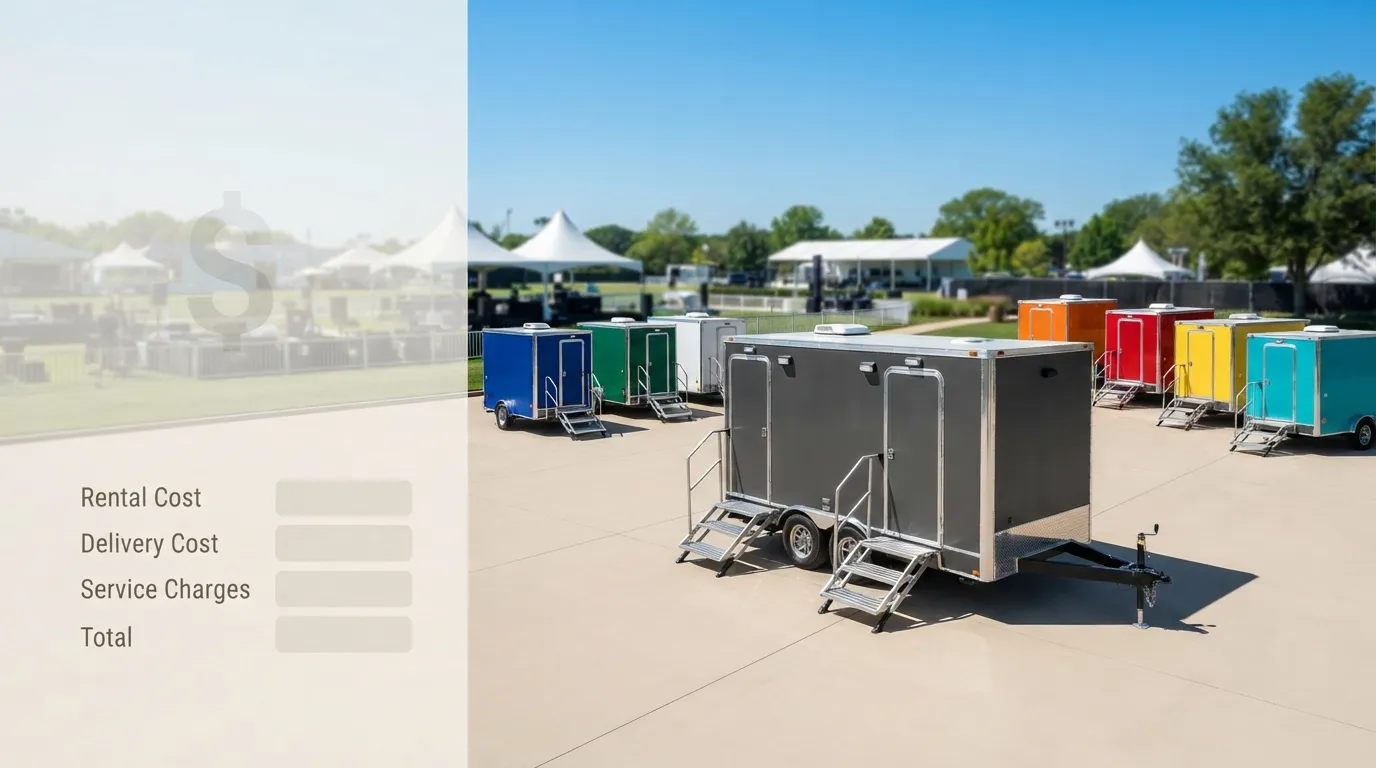
A standard septic pump-out during a weekday visit runs in a fairly predictable range, and weekend service costs more because it's scheduled outside normal routes. Here's what the numbers look like:
| Service | Timing | Typical Price Range |
|---|---|---|
| Septic pumping | Weekday | $150 to $300 |
| Septic pumping | Weekend | $50 to $150 add-on fee |
Those numbers reflect a standard residential tank, not a commercial grease interceptor, which follows a different service schedule entirely, closer to the planning that goes into construction site services than a home pump-out. A grease interceptor gets pumped once fats, oils, grease and solids reach 25 percent of the liquid depth, a completely different trigger than the calendar-based schedule for home septic tanks. Restaurants and food service operations in Salem should check grease trap pumping rather than treating it like a residential tank, and any kitchen crew also needs a handwashing station rental on site regardless of pumping schedule. For a full cost breakdown by tank size and access difficulty, see septic tank pumping cost. If your property doesn't have a permanent septic system yet, whether it's a construction site or a temporary event setup, a holding tank rental is worth pricing out, and event organizers should also look at event restroom rental for the same weekend.
Why Does Pumping Frequency Vary So Much Between Homes?
Two houses on the same Salem street can need pumping on completely different schedules, and that's normal. Tank size is the biggest variable: a smaller 1,000 gallon tank serving a family of five fills up faster than a 1,500 gallon tank serving a retired couple, the same size-versus-demand math behind choosing a standard porta potty rental over something bigger. Water usage patterns matter too, the sort of detail covered in porta potty rental checklist planning for any property with heavy, irregular use. Long showers, garbage disposals, and frequent laundry loads all add solids and liquid volume that shorten the interval between pumps. Older homes near Dallas, roughly 17 miles west of Salem, sometimes have smaller legacy tanks installed decades ago under different code requirements, and those need more frequent attention than modern installations. If you've never had your tank inspected, or you inherited a house without service records, our how often to pump a septic tank guidance is a starting point, but a technician measuring actual solid levels during a visit gives a far more accurate answer than any general rule, much like OSHA guidance covered in osha portable toilet requirements beats guessing at worker counts. Renovation projects that add bathrooms or bedrooms also change the math, so pair that work with a look at home renovation porta potty options if the house will be unlivable during construction.
Do I need to pump my tank every year?
No, and the same goes for renting a porta john rental on a schedule that matches actual use rather than habit. Annual pumping is rarely necessary for a properly sized residential tank. The 3 to 5 year interval covers most households; pumping every year usually means the tank is undersized for the home or something else is wrong, worth a proper inspection rather than just more frequent pumping.
How do I know what size my septic tank is?
Check your property records or county permit file first; if that doesn't turn anything up, a technician can measure it during a service call. Older Salem homes sometimes have smaller tanks than current construction standards would require today.
Can I pump my own septic tank?
Not safely, and not legally in most cases. Septic waste requires licensed disposal, proper equipment, and safety training around confined spaces and hazardous gases. Call septic pumping service instead of attempting it yourself, the same reason a temporary power pole install gets left to a licensed electrician rather than a homeowner.
What happens if I never pump my septic tank?
Solids build up until the drain field clogs or the tank overflows, which usually means sewage backing into the house or pooling in the yard. That repair costs far more than routine pumping, and some drain fields can't be repaired at all once they fail, a good reason to compare septic tank pumping cost now against a full drain field replacement later.
Does a garbage disposal affect pumping frequency?
Yes. Garbage disposals add solid waste directly into the tank, which fills it faster than a household without one. If you use a disposal regularly, lean toward the 3 year end of the pumping interval rather than the 5 year end, and homeowners near Woodburn, 21.6 miles northeast, or Albany, 24.6 miles south, follow the same rule of thumb.
Next step
Get a delivery date
Tell us the address, the dates and the headcount. We size the order and confirm the route.